



Stop Burning Cash on Patient Acquisition
You're spending $25,000, $50,000, or more each month on ads, and the patient volume still doesn't match the budget. That usually isn't a channel problem. It's a management problem. Most practices don't need more marketing activity. They need tighter execution, cleaner tracking, and someone senior enough to cut waste fast.
The old patient acquisition playbook is gone. Patients now research providers across multiple digital touchpoints before they book, and WebMD Ignite reports that 77% of consumers use a variety of digital channels instead of relying only on provider websites. If your practice shows up in one place but disappears everywhere else, you're leaking demand.
That's why patient acquisition strategies have to be built like a performance system, not a pile of disconnected tactics. Search, remarketing, local visibility, reviews, scheduling flow, call handling, and conversion tracking all have to work together. If one breaks, your CPA rises and your agency gives you another slide deck.
I've seen the agency version too many times. Generic campaigns. Junior account managers. Slow changes. Bloated retainers. Weak attribution. The specialist way is simpler. Tight targeting, direct communication, faster decisions, and ruthless focus on booked appointments and qualified calls.
If you're serious about implementing real-time marketing tracking, start there. Bad tracking turns every media decision into guesswork.
Table of Contents
1. Search Engine Marketing Google Ads - Build campaigns around intent
2. Display Advertising and Remarketing - Segment before you spend
3. Local SEO Google Business Profile and Directory Optimization - Fix the local basics first
4. Content Marketing and SEO-Optimized Blog Strategy - Write for the patient who is comparing options
5. Pay-Per-Call Advertising - Track outcomes, not ring volume
6. Email Marketing and Patient Nurture Sequences - Build nurture by patient intent
7. Social Media Advertising Facebook Instagram TikTok - Creative carries the campaign
8. Referral and Affiliate Marketing Programs - Make referrals easy to give and easy to track
9. Video Marketing and YouTube Advertising - Use video for trust, then use ads for distribution
10. Fractional Senior Google Ads Management and Account Optimization - What senior oversight fixes immediately
1. Search Engine Marketing Google Ads
Google Ads can fill a schedule fast, or burn budget fast. The difference is account design.
Patients searching for “emergency dentist near me,” “IVF clinic,” or “sports medicine specialist” are showing clear intent. You do not need clever branding here. You need tight campaign structure, sharp ad copy, and a landing page that matches the search.
Bloated agencies get this wrong all the time. They cram multiple services into one campaign, point everything to a generic services page, then report on clicks like that proves anything. An independent PPC specialist fixes the problem at the source. One service line, one intent cluster, one clear next step.
Build campaigns around intent
Judge search campaigns by booked actions, not traffic. If calls, forms, and appointment requests are not tracked correctly, your reporting is useless and your budget decisions are guesses.
Set the account up like this:
Split by service line: Give urgent care, orthopedics, dental implants, mental health, and primary care their own campaigns.
Break out high-value treatments: Expensive procedures deserve their own budgets, ads, and landing pages.
Use local intent terms: Include city, neighborhood, and “near me” variations where they fit actual patient behavior.
Add aggressive negative keywords: Block job seekers, researchers, freebie hunters, unrelated symptoms, and low-fit queries.
Track real lead actions: Measure phone calls, form fills, appointment requests, and confirmed bookings if your system supports it.
Rule: Do not increase budget until attribution is accurate.
Here is what that looks like in practice. An orthopedic group should not run one vague ad for “expert care.” It should run separate campaigns for knee pain, sports injury, and joint treatment, each tied to its own page and local targeting. That improves message match, cuts wasted clicks, and gives you a clear read on which services produce patients.
This is also where agency process usually slows everything down. You ask for a new campaign for regenerative medicine or dental implants, and it sits in review for two weeks while spend keeps leaking elsewhere. A specialist can restructure the account quickly, launch the test, and kill weak segments without turning it into a committee meeting.
Keep the setup tight. Cut broad match garbage unless search terms prove it can work. Write ads that speak to the exact service. Send people to pages built to convert, not pages built to satisfy whoever designed the website.
The agency way buys volume and explains poor lead quality later. The specialist way filters intent before the click and makes every dollar earn its place.
2. Display Advertising and Remarketing
Most patients don't book on the first visit. They compare providers, check insurance fit, read reviews, and get interrupted. That makes remarketing useful, but only if you use it with discipline.
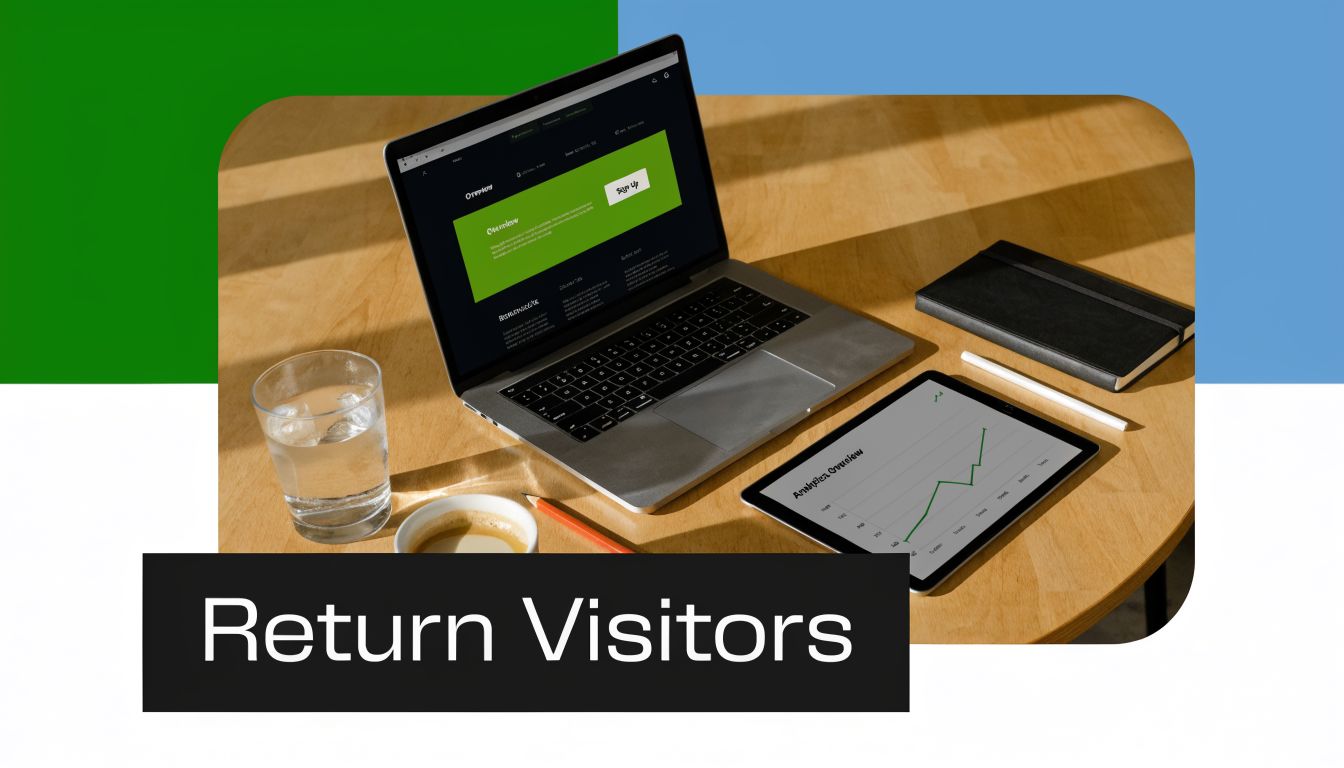
The agency mistake is obvious. They dump everyone into one remarketing audience and blast the same banner everywhere. That's lazy. Someone who visited a fertility treatment page should not see the same creative as someone who bounced from a general homepage.
Segment before you spend
Remarketing works when the audience reflects the action already taken. Build separate audiences for consultation page visitors, pricing page visitors, physician profile viewers, and appointment-starter drop-offs. Then change the message.
For example, a physical therapy clinic can remind prior visitors about direct scheduling and treatment access. A cosmetic practice can retarget consultation page visitors with a softer trust message focused on provider credentials and next-step booking. A dental office can retarget visitors who abandoned a request form with a simpler “Call now” path instead of pushing them back into a long form.
Use these controls:
Set frequency caps: Stay visible without becoming annoying.
Exclude current patients when appropriate: Don't pay to reacquire people already in your system.
Refresh creative often: Banner fatigue shows up quickly.
Send traffic to the exact next step: Don't drop remarketing clicks onto a generic homepage.
Remarketing should recover warm demand, not compensate for weak landing pages.
Display also works higher in the funnel, but healthcare leaders overspend there when they haven't fixed mid-funnel conversion issues. If your scheduling flow is clunky, more awareness just means more expensive abandonment. Fix the booking path first, then use display to stay in front of people who already showed interest.
3. Local SEO Google Business Profile and Directory Optimization
Local visibility isn't optional in healthcare. It's where discovery happens. MedLaunch notes that over 46% of Google searches are local, which is all the justification you need to treat Google Business Profile, map visibility, and location pages as core patient acquisition strategies.
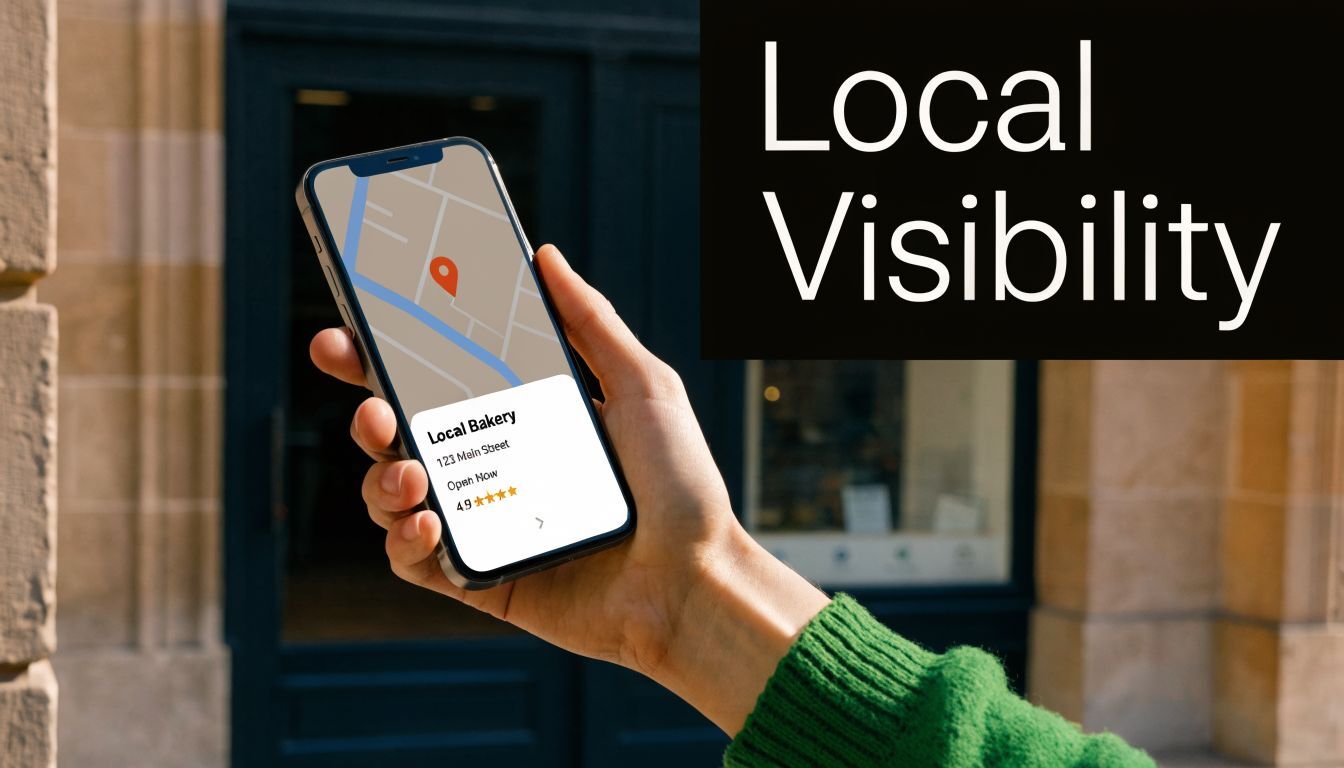
If your listing is incomplete, inaccurate, or inconsistent with your directories, you're forcing patients to work harder than they should. They won't. They'll choose the office with cleaner information and easier next steps.
Fix the local basics first
A family medicine practice, urgent care center, or oral surgeon should make local profile hygiene a weekly operating task, not a one-time setup. That means current hours, accurate phone numbers, accepted insurance details where appropriate, service descriptions, and real photos of the office and team.
Here's the no-nonsense version:
Claim every profile: Google Business Profile, major healthcare directories, and relevant local listings.
Keep NAP consistent: Name, address, and phone number must match everywhere.
Upload trust-building assets: Headshots, interior photos, exterior signage, and service imagery.
Respond to reviews promptly: Silence looks careless.
Support local pages with paid search: Organic and paid should reinforce each other.
An urgent care operator with multiple locations should also build separate location pages and separate business profiles. Don't send every visitor to one master page and hope they sort it out.
The agency way treats local as “SEO stuff” and leaves it to interns. The specialist way understands that local visibility lowers paid media waste because branded and non-brand search convert better when patients already trust what they found in maps and listings.
4. Content Marketing and SEO-Optimized Blog Strategy
Most healthcare blogs are traffic bait. They answer broad questions, attract low-intent readers, and never move anyone toward an appointment. That's not content strategy. That's publishing for vanity metrics.
Useful content sits closer to patient decisions. An orthopedic clinic should write for “meniscus tear recovery,” “when to see a knee specialist,” and “what to expect from sports injury treatment.” A dermatology practice should cover treatment options, access questions, and insurance considerations with clear next steps. Good content educates, but it also qualifies.
Write for the patient who is comparing options
Healthcare guidance from Healthgrades stresses that the digital front door needs real-time scheduling, detailed physician profiles, insurance information, telehealth access, and AI-assisted support, not just traffic generation in its patient acquisition analysis. That's the key mistake I see all the time. Teams spend on blogs and SEO while sending visitors into a dead-end website.
Use content to answer the questions that block booking:
Access questions: How soon can a patient be seen?
Fit questions: Which physician handles this condition?
Logistics questions: Which insurance plans are accepted?
Convenience questions: Is telehealth available, and can they book online?
Good healthcare content doesn't stop at education. It removes friction.
A mental health practice, for example, shouldn't just publish “signs of anxiety.” It should also give clear therapist bios, treatment approach details, and a booking option that doesn't require three calls and a voicemail. Content earns the click. Conversion design earns the patient.
Agencies often drift into content calendars full of generic health tips at this stage. A PPC specialist looks at search terms, landing page behavior, and assisted conversions, then builds content around actual demand.
5. Pay-Per-Call Advertising
Pay-per-call is one of the fastest ways to waste budget in healthcare. It is also one of the fastest ways to fill a schedule, if you run it with discipline.
This channel works for high-intent services where patients want answers now, not another form. Emergency dental, urgent orthopedic care, behavioral health intake, and cosmetic consultations are obvious fits. A live call can close what a landing page cannot. But every paid call is expensive, and sloppy call handling turns a strong campaign into a leak.
Agencies usually treat pay-per-call like a volume play. More calls, bigger reports, happy client. That is lazy management. A specialist treats calls like booked-revenue opportunities and cuts anything that produces noise.
Track outcomes, not ring volume
A ringing phone is not a conversion. A qualified call that leads to the right next step is.
Set up tracked numbers by campaign or service line. Route calls to the right team. Record and review calls when your compliance process allows it. Then classify outcomes with real labels: booked, insurance mismatch, existing patient, wrong department, spam, no answer, missed follow-up. If your reporting still says only "calls generated," you are flying blind.
That classification changes budget decisions fast. You stop paying for search terms that sound relevant but produce bad-fit callers. You find gaps in scheduling coverage. You catch front-desk failures that agencies love to ignore because the ad platform cannot see them.
For an emergency dentist, the playbook is simple:
Run call-focused ads and extensions: Reduce friction and get urgent patients to a person fast.
Advertise only during staffed hours: Paying for after-hours calls with no answer is amateur hour.
Tighten keyword intent: "Emergency dentist near me" is different from broad symptom searches that trigger weak leads.
Review calls every week: Shift spend toward keywords, devices, and time blocks that produce booked appointments.
Fix intake before scaling: If staff cannot handle urgency, insurance questions, or routing, more budget just buys more failure.
The back office matters here too. Acquisition does not end when the phone call ends. If eligibility checks are weak, scheduling is sloppy, or downstream billing issues kill revenue, your campaign can look good in Google Ads and still perform badly in practice. As noted earlier, patient acquisition has to connect to revenue operations, not just top-of-funnel metrics.
The agency way reports call counts and asks for more budget. The specialist way listens to calls, cuts waste, tightens targeting, and judges success by qualified calls that turn into revenue. That is the standard. Anything less is expensive theater.
6. Email Marketing and Patient Nurture Sequences
Not every prospective patient books on first contact. Some need more information. Some are comparing providers. Some started a form and got distracted. Email gives you an owned follow-up channel, which matters more now that audience targeting on ad platforms is less reliable.
First-party data excels. AHIMA advises healthcare marketers to combine EMR data, patient surveys, and online interaction data, then use segmentation and predictive models to identify high-value patients and the best messages and channels for outreach in its data-driven acquisition guidance. That's the smart version of email marketing. Not one newsletter blasted to everyone.
Build nurture by patient intent
A fertility clinic can segment by consultation interest, treatment education, and financing questions. An orthopedic practice can separate surgical candidates from rehab-focused patients. A dental group can split cosmetic interest from emergency needs. Different intent should trigger different sequences.
Keep the structure simple:
Welcome sequence: Confirm inquiry, explain next step, introduce the provider.
Education sequence: Answer common concerns and remove uncertainty.
Conversion sequence: Push a clear action, such as scheduling or calling.
Re-engagement sequence: Follow up with non-bookers who went cold.
Email also supports your paid media. If someone clicks an ad but doesn't book, a follow-up series can recover that lead without paying for another click. Agencies often ignore this because it crosses channel lines. A specialist doesn't care which team owns the tactic. The only question is whether it improves booked appointments.
7. Social Media Advertising Facebook Instagram TikTok
Social ads work best when you stop pretending they're search ads. Users on Facebook, Instagram, or TikTok aren't actively hunting for a provider that second. They're discoverable, influenceable, and often early in consideration. That changes the creative, the offer, and the landing page.
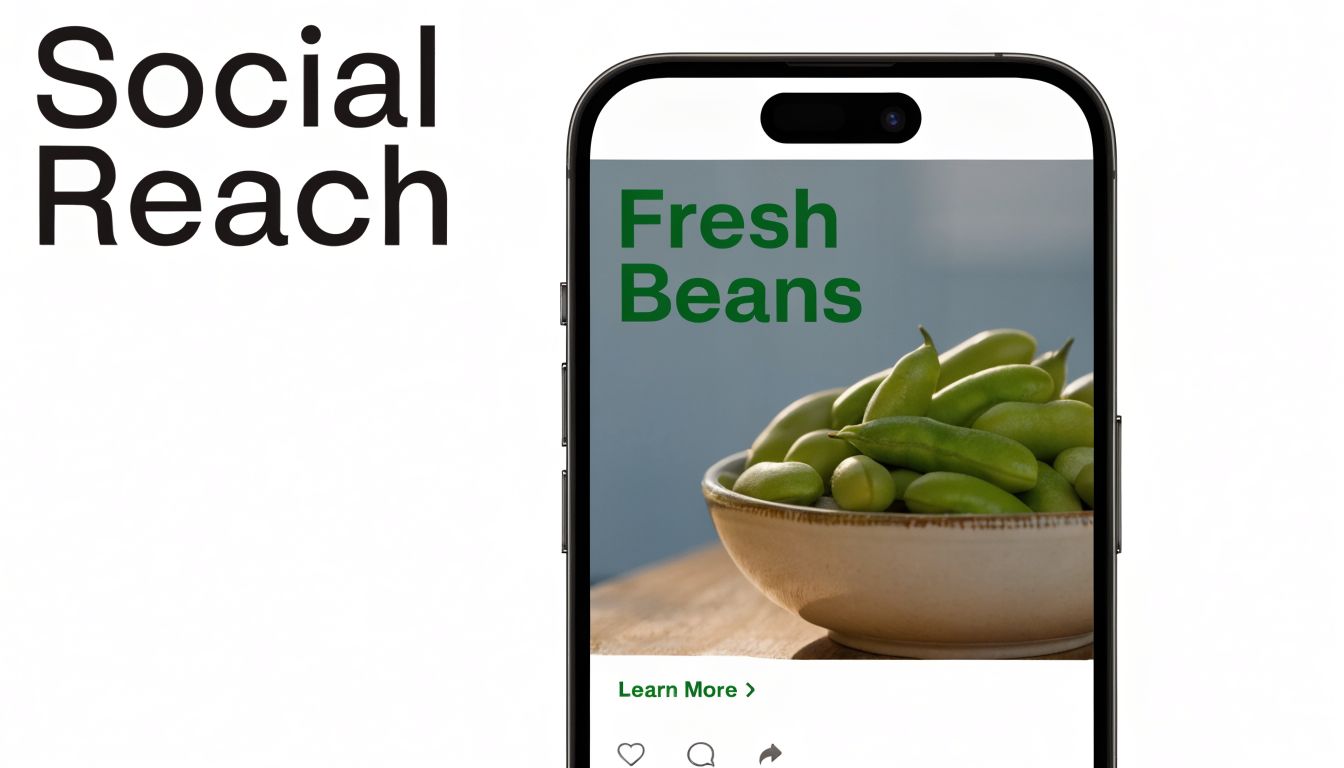
The common failure is clinical, generic creative. Stock photo. Broad promise. Weak CTA. Nobody cares. Show the experience. Show the physician. Show the office. Show what access looks like.
Creative carries the campaign
A med spa can run short-form video that explains the consultation process. A dental office can promote smile-focused cosmetic services with a direct booking CTA. A mental health provider can use calm, simple educational creative tied to a low-friction intro step. The platform matters less than the message clarity.
Your best practices are straightforward:
Match the creative to the service: Cosmetic and elective services usually need stronger visuals.
Use short videos and native formats: Static images still work, but motion often explains trust and process better.
Build custom audiences from site visitors and leads: Then layer remarketing and exclusion rules.
Focus on safe, compliant messaging: Don't make reckless medical claims.
As noted earlier, patients compare providers across multiple digital channels before booking. Social belongs in that path because it reinforces familiarity and gives your brand another chance to answer “Why this practice?” before the patient searches again.
The agency way chases engagement metrics. The specialist way uses social to warm audiences, support retargeting, and feed high-intent channels later.
8. Referral and Affiliate Marketing Programs
Referral programs still matter because trust still matters. But most practices run them badly. They make the process unclear, fail to track the source, and wonder why referrals feel random.
You need two referral systems, not one. The first is patient-driven word of mouth. The second is professional referral development with local businesses and aligned partners. Each needs its own workflow.
Make referrals easy to give and easy to track
A physical therapy clinic can build referral relationships with trainers, yoga studios, and local sports groups. A fertility clinic can create cleaner handoff pages for referring professionals. A cosmetic practice can give patients a simple share link or referral card. None of this needs to be flashy. It needs to be frictionless.
For practical ideas on process, see these strategies for local business referrals.
Use a basic discipline:
Create a dedicated referral landing page: Explain who you help and how to refer.
Assign referral source fields: Don't rely on memory at intake.
Close the loop with partners: Acknowledge the referral and maintain the relationship.
Support with paid media: Search and remarketing should reinforce referral credibility when prospects research you afterward.
A referral isn't closed when someone mentions your name. It's closed when the patient actually books.
Agencies tend to ignore referrals because they're not media spend. That's shortsighted. Referral traffic often arrives warmer, converts faster, and improves the efficiency of your other patient acquisition strategies because referred patients still search, compare, and validate online before committing.
9. Video Marketing and YouTube Advertising
Video shortens the trust gap. That matters in healthcare because many patients don't just want information. They want to know who they're dealing with, what the process feels like, and whether your practice looks competent and approachable.
An orthopedic surgeon explaining treatment options on camera will usually build more trust than a wall of website copy. A dental office showing a consultation environment can reduce anxiety before the first call. A physical therapy clinic demonstrating movement assessments can make the service feel tangible.
Here's a relevant video placement:
Use video for trust, then use ads for distribution
YouTube works well when the creative is direct. Open with the patient problem. Show the provider. Explain the next step fast. If the first few seconds are weak, the audience leaves.
A few strong use cases:
Procedure explainers: Good for orthopedics, oral surgery, and elective specialties.
Provider introductions: Good for high-trust categories like mental health and fertility.
FAQ videos: Good for insurance, scheduling, recovery expectations, and access.
Remarketing assets: Good for people who visited service pages but didn't convert.
Your paid video strategy shouldn't be isolated from search. Someone watches a provider video, then later searches the brand or service. That's common behavior in healthcare. If your YouTube campaign warms demand but your branded search or local listing is weak, you lose the handoff.
The agency way treats video as a branding experiment. The specialist way connects video content to remarketing pools, branded search lift, and downstream booking actions.
10. Fractional Senior Google Ads Management and Account Optimization
This is the strategy most frustrated advertisers need first. Not another channel. Not more dashboards. Senior oversight.
A specialist can usually find waste faster than a large agency because there's no handoff chain and no junior buffer. The review is direct. Search terms, match types, bidding logic, conversion actions, landing pages, call flow, geo settings, and budget allocation all get checked by someone who knows what moves performance.
What senior oversight fixes immediately
Start with the account audit. Look for duplicate keywords, bloated campaign structures, poor location targeting, broken attribution, and conversions that count the wrong actions. Then fix one thing at a time in priority order. Tracking first. Query control second. Landing page alignment third. Bidding and budget after that.
A strong fractional model gives you:
Direct access to the person doing the work: No account manager relay race.
Faster execution: Changes happen when they're needed.
Clear KPI ownership: Booked appointments, qualified calls, and channel efficiency.
Better budget control: Spend shifts based on performance, not politics.
There's also a privacy and targeting angle here. Medesk highlights the growing importance of using appointment history, demographics, referral sources, engagement patterns, and channel preference data while first-party data becomes more important than broad paid targeting in its patient acquisition article. That favors lean operators who can connect data, consent, targeting, and measurement instead of hiding behind platform automation.
The agency way sells headcount. The specialist way sells judgment. If you already spend serious money on PPC, judgment is what protects the budget.
Top 10 Patient Acquisition Strategies Comparison
Channel |
Complexity 🔄 |
Resource Requirements ⚡ |
Expected Outcomes 📊 |
Ideal Use Cases 💡 |
Key Advantages ⭐ |
|---|---|---|---|---|---|
Search Engine Marketing (SEM) / Google Ads |
High, continuous optimization and bid management |
Moderate–High budget; PPC expertise; tracking tools |
Immediate, high-intent traffic and measurable conversions |
Practices seeking fast patient acquisition for specific services |
Immediate visibility, clear ROI attribution |
Display Advertising & Remarketing |
Medium, creative production and audience setup |
Moderate budget; creatives and pixel/list building |
Strong awareness lift; remarketing yields higher conversion vs. cold traffic |
Brand building and re-engaging past website visitors |
Cost-effective reach and strong remarketing performance |
Local SEO, Google Business Profile & Directory Optimization |
Medium, ongoing citations, reviews, and updates |
Low–Moderate time investment; photography and listing management |
Improved local rankings and map visibility; steady organic patient flow |
Single- or multi-location clinics targeting local search |
Sustainable local visibility and trust via reviews |
Content Marketing & SEO-Optimized Blog Strategy |
High, research, medical review, and consistent publishing |
Moderate resources for writers, SEO, and reviews; time to rank |
Long-term organic traffic growth; authority and lower CPA over time |
Specialties that benefit from education and long sales cycles |
Sustainable organic growth and reusable content assets |
Pay-Per-Call Advertising |
Medium, call-tracking setup and staff processes |
Moderate budget-per-conversion; call-tracking and trained staff |
Direct phone leads with precise attribution; high lead intent |
Emergency, urgent care, and phone-first practices |
One-call = one conversion attribution; lower fraud risk |
Email Marketing & Patient Nurture Sequences |
Medium, segmentation, automation and compliance |
Low–Moderate platform costs; content and list-building efforts |
High ROI for retention and reactivation; steady repeat bookings |
Practices with existing patient lists focused on retention |
Owned channel with strong personalization and ROI |
Social Media Advertising (Facebook, Instagram, TikTok) |
Medium, creative testing and platform policy management |
Moderate ad spend; ongoing creative production |
Awareness, engagement, and lower CPC leads among 18–55 demos |
Cosmetic, wellness, and lifestyle-focused services |
Highly visual storytelling and in-platform lead capture |
Referral & Affiliate Marketing Programs |
Low–Medium, program design and reward tracking |
Low–Moderate (incentives and tracking); partner management |
High-quality leads with higher lifetime value; slower scale |
Practices with strong patient satisfaction or professional networks |
Lower CAC and higher conversion rates from referrals |
Video Marketing & YouTube Advertising |
High, production, channel management, optimization |
Moderate–High production and promotion budget |
High engagement and trust; strong discovery for complex services |
Providers explaining procedures or building clinician credibility |
Memorable storytelling and strong trust-building capability |
Fractional Senior Google Ads Management & Account Optimization |
Medium, strategic audits and prioritized changes |
Low–Moderate retainer for senior expertise; client collaboration |
Improved ROI, better account structure, faster performance gains |
SMBs needing expert PPC without full agency overhead |
Senior-level expertise with flexible, cost-effective engagement |
Your Next Move From Strategy to ROI
A list of patient acquisition strategies won't fix a weak account by itself. Execution does that. Tight targeting. Better landing pages. Cleaner call handling. Real attribution. Fast budget shifts. Those are the things that turn spend into booked appointments.
Most healthcare advertisers don't have a traffic problem. They have a waste problem. Money goes to broad match junk, overlapping audiences, weak local pages, slow follow-up, bad scheduling UX, and reports that make everything look fine until leadership asks where the patients are. By then, months are gone.
If you want better performance, stop treating every tactic like a separate department. Search, local SEO, remarketing, referral reinforcement, email nurture, and conversion tracking need one operating logic. A patient sees an ad, visits a page, checks reviews, leaves, sees you again, calls, and books. That full path matters. If you optimize only the click, you miss the business.
This is also where the agency model breaks down for high-spend accounts. Large retainers don't guarantee senior attention. In fact, they often buy process, meetings, and layers. You need fewer layers. You need someone who can open the account, spot what's broken, explain it plainly, and fix it without three approval loops.
Start with the fundamentals:
Audit conversion tracking: If form fills, calls, and bookings aren't measured correctly, every other decision is compromised.
Inspect search terms and geo targeting: Waste usually hides there first.
Review landing pages against patient intent: Service pages should match the keyword, the ad, and the next action.
Check your booking path: If scheduling is slow or confusing, your ad account will never look as good as it should.
Tie marketing to operations: If the front desk, intake flow, or revenue cycle is breaking the handoff, acquisition data will mislead you.
That's why independent specialists often outperform larger agencies in practice. The advantage isn't magic. It's focus. Direct communication. Faster implementation. Cleaner accountability. Better judgment under pressure.
If you want help from a senior PPC operator instead of another agency team, start with an audit. Come Together Media LLC is one relevant option for businesses that want Google Ads consulting, audits, and ongoing PPC management from a Burlington, Vermont–based consultancy. The right next step isn't a long contract. It's a clear look at where your account is leaking budget and what needs to change first.
If you want a direct review of your current campaigns, Come Together Media LLC offers Google Ads consulting, account audits, and PPC management with one-on-one strategy and transparent reporting. That's a practical fit for marketing leaders who want senior-level guidance without agency layers.
